International Institute of Mental Health

Substance Abuse Treatment & Gender-Specific Rehabilitation

At International Institute of Mental Health (PIMH), we understand the complex and multifaceted nature of substance abuse. Our specialized Substance Abuse Treatment and Gender-Specific Rehabilitation programs offer comprehensive care designed to help individuals break free from addiction and achieve lasting recovery. Whether you or a loved one is struggling with addiction to drugs, alcohol or other substances, our evidence-based approach ensures that each patient receives a tailored support on their journey to healing.

Personalized Substance AbuseTreatment

Our approach to substance abuse treatment is rooted in understanding that every individual’s experience with addiction is unique. We provide personalized treatment plans that addresses both the physical and psychological aspects of addiction, ensuring a holistic path to recovery. Our services include:

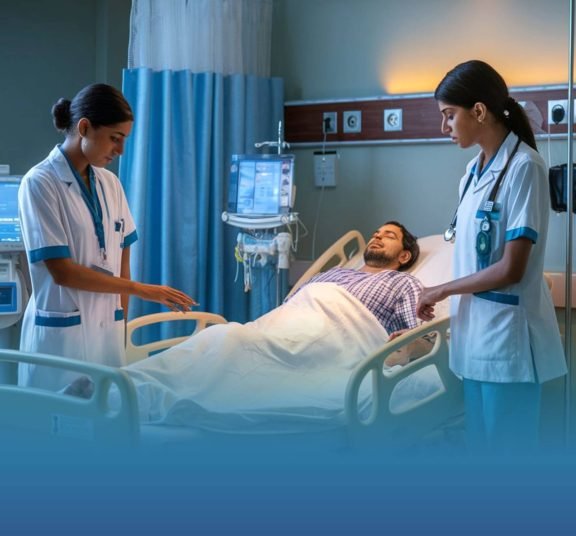
Initial Assessmentand Evaluation

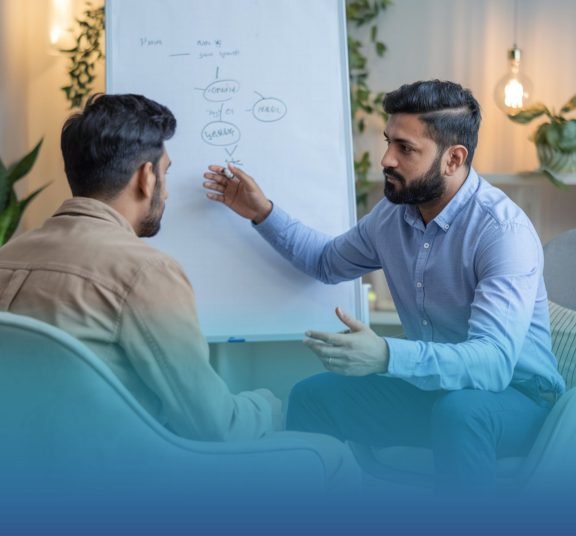
The road to recovery begins with a thorough initial assessment. Each individual undergoes a detailed evaluation to determine the severity of their addiction, any co-occurring mental health conditions and their personal needs. This comprehensive assessment forms the foundation for a tailored treatment plan designed to support long-term recovery.

 
initial assessment 1
detoxification services 2

Detoxification Services

For individuals needing a medical detox, we offer safe and closely monitored detoxification services. Our medical team supports patients through the withdrawal process, managing symptoms and ensuring physical stability before moving forward with rehabilitation. This crucial first step helps patients’ detox in a controlled and comfortable environment.

Individualized Treatment Plans

We recognize that addiction affects everyone differently. Each patient receives a personalized rehabilitation plan that may include a combination of medical treatment, counseling, therapy and lifestyle changes. Our goal is to s not only address the addiction itself but also any underlying causes such as trauma, stress or mental health disorders.

individualized treatment plans 3
therapeutic interventions 4

Therapeutic Interventions

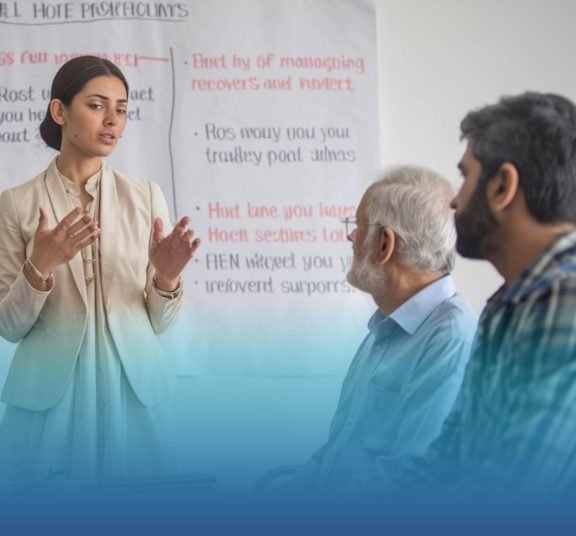
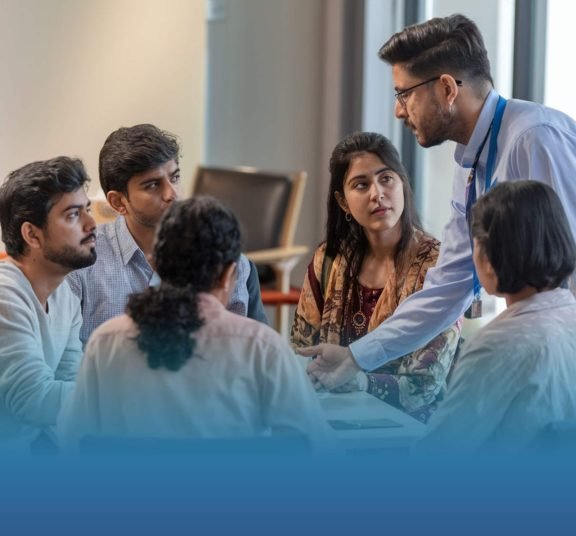
Our rehabilitation programs incorporate a variety of evidence-based therapeutic modalities. These include Cognitive Behavioral Therapy (CBT), Dialectical Behavior Therapy (DBT) and group therapy to help patients process their emotions, develop coping mechanisms and address the psychological roots of their addiction. Through individual and group counseling sessions, we empower individuals to regain control over their lives and become a better version of themselves.

Relapse PreventionStrategies

Lasting recovery requires strong relapse prevention strategies. Our programs equip individuals with the tools needed to recognize triggers, avoid high-risk situations and maintain sobriety long after leaving the treatment center. Patients learn how to manage stress, make healthy choices and build a support system to prevent relapse and sustain long-term recovery.

relapse prevention strategies 5
family involvement and support 6

Family Involvement and Support

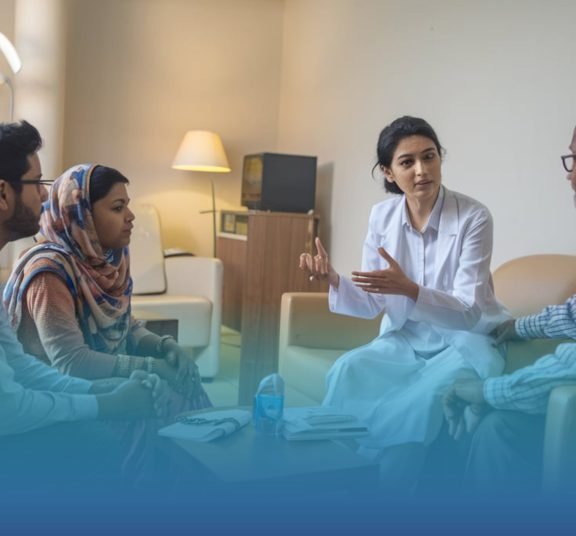
Addiction often affects families just as much as individuals. At PIMH, we actively involve family members in the rehabilitation process. Through family counseling sessions, we aim to strengthen the individual’s support network, improve communication and foster understanding. Families play a crucial role in recovery and their active participation increases the likelihood of successful outcomes.

Gender-SpecificRehabilitation

At IIMH, we understand that the challenges of addiction may vary significantly between men and women. Our Gender-Specific Rehabilitation programs are tailored to address these differences, providing a safe and supportive environment for recovery. By recognizing the unique experiences and obstacles that each gender may face, we offer specialized care that promotes healing and long-term sobriety.
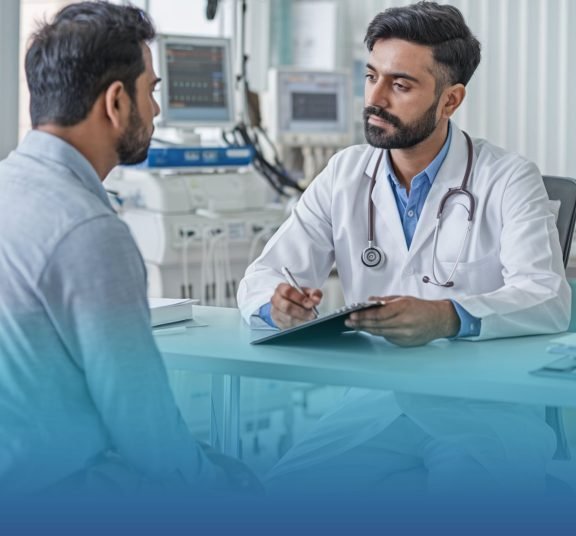
Tailored Treatment Programs

Our gender-specific programs are designed to address the distinct issues faced by men and women. These programs take into consideration the social, cultural and psychological factors that influence each individual’s experience with addiction. Whether it’s addressing trauma, societal pressures or mental health conditions, our treatment plans are customized to reflect the specific needs of each gender.

tailored therapy sessions 7
supportive and safe environment 8

Supportive and Safe Environment

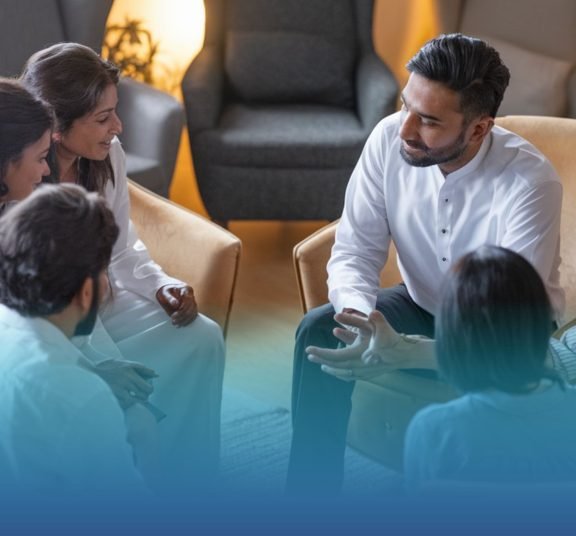
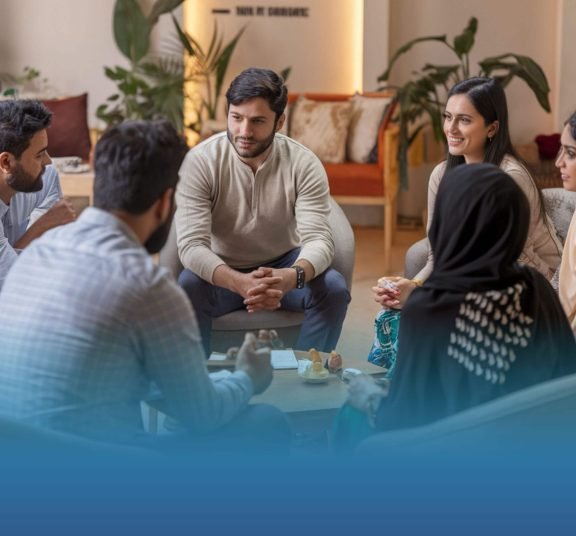
Gender-specific groups foster an environment of comfort and safety, allowing participants to openly share their struggles without fear of judgment. Our programs create a space where individuals can connect with others who understand their experiences, provides mutual support and encouragement throughout the recovery process.

Therapeutic Techniques for Gender-Specific Experiences

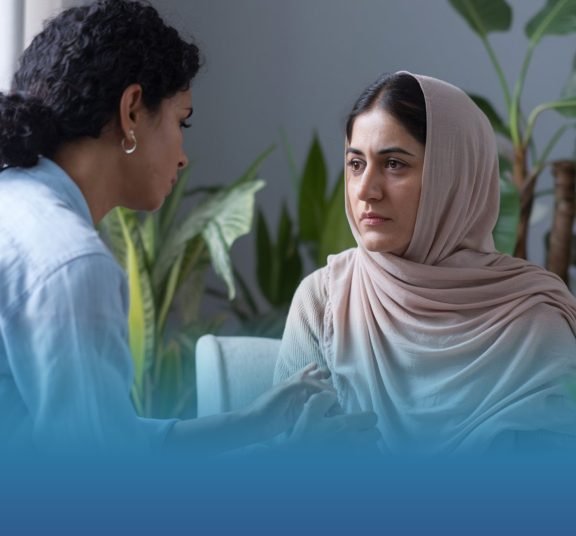
Our therapeutic interventions are sensitive to gender-specific experiences that often accompany addiction. For women, this may include trauma-informed care for those who have experienced abuse or violence, while for men, we may focus on addressing societal expectations or pressures related to masculinity. Our therapists employ techniques that resonate with the experiences of respective gender, ensuring meaningful and effective therapy.

 
therapeutic techniques for gender specific experiences 9
peer support and connection 10

Peer Supportand Connection

Recovery is strengthened through connection with others. Our gender-specific rehabilitation programs emphasize peer support, enabling individuals to bond with others facing similar challenges. This sense of community building, fosters empathy, understanding and accountability, all of which are essential for lasting recovery.

Life SkillsTraining

Sustainable recovery requires more than overcoming addiction; it involves learning new skills for a healthier and a more fulfilling life. Our programs incorporate life skills training, to help individuals manage daily stress, communicate effectively and practice self-care. By empowering individuals with the tools, they need to thrive in everyday life, we support their ongoing journey toward wellness.

life skills training 11

After care and Ongoing Support

Recovery doesn’t end when rehabilitation is complete. At PIMH, we provide continued care through our aftercare support programs, ensuring that individuals have the right resources and guidance they need for long-term success. Our aftercare services include:
relapse prevention strategies 12

Relapse Prevention Plans

Each patient leaves our program with a personalized relapse prevention plan. This includes coping strategies, access to support groups and a clear plan for managing their triggers or high-risk situations that could lead to relapse. We help individuals build a robust support network to sustain their sobriety in the long term.

Ongoing Counseling and Support Groups

Post-rehabilitation, we offer continued counseling sessions and access to peer support groups. These resources provide the individuals with the ongoing emotional support and guidance they need as they transition back into their daily lives.

ongoing counseling and support groups 13
follow up care 14

Follow-Up Care

Our commitment to recovery doesn’t end at the discharge of our patients. We provide a follow-up care plan to check with individuals after they leave our program, ensuring they have the necessary resources and support to maintain their progress.

Need help?

At IIMH, we are dedicated to promote mental health education and awareness through our programs and workshops. Whether you are a student, professional or community member, our offerings provide valuable insights and practical skills to navigate mental health challenges effectively.