Transcranial Magnetic Stimulation (TMS)
At International Institute of Mental Health (IIMH), we are proud to offer Transcranial Magnetic Stimulation (TMS), an innovative, non-invasive treatment for individuals suffering from depression and other mental health disorders. TMS therapy is particularly effective for those who do not respond to traditional therapies like medication or psychotherapy. Our TMS program is designed to provide hope and relief to those struggling with treatment-resistant depression and other mood disorders, offering a path to healing through advanced brain stimulation techniques.
What is Transcranial Magnetic Stimulation (TMS)?
Innovative Brain Stimulation
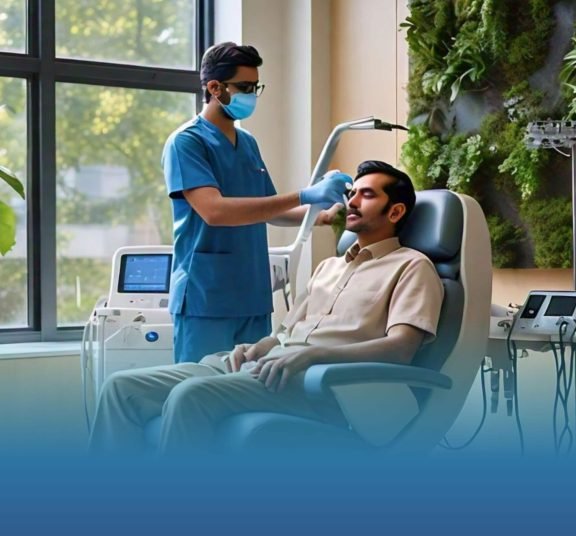
TMS works by delivering magnetic pulses through an electromagnetic coil placed gently against the scalp. These pulses create electric currents in targeted areas of the brain, enhancing neural communication and improving brain function, particularly in regions associated with mood regulation. Unlike medications, TMS directly addresses the root of the problem by enhancing brain connectivity, providing relief from depressive symptoms without altering body chemistry.

Effective forTreatment-Resistant Depression
TMS is particularly beneficial for patients who are strugglling with treatment-resistant depression. If you have not experienced significant improvement with antidepressants or therapy, TMS can offer a new avenue for relief and pain. Studies show that many patients experience a marked improvement in symptoms after undergoing TMS therapy, even when other treatments have failed.
How DoesTMS Work?
Understanding the Process
Each TMS session lasts between 20 to 40 minutes, during which the patient remains fully awake and alert. TMS is administered in a comfortable setting at our clinic. You can relax, listen to music or even read during the session. Over the course of several weeks, patients typically receive 5 sessions per week, with the total number of treatments depending on individuals need. Noticeable improvements in mood and symptoms are often observed after just a few sessions, although full treatment generally lasts 4-6 weeks.


Non-Invasiveand Safe
Unlike invasive procedures, TMS does not require anesthesia or sedation. It is a safe option for individuals who may not tolerate medication well due to side effects or other health conditions. The most common side effect of TMS is a mild discomfort or monir tingling at the treatment site, which typically subsides shortly after the session. TMS has no systemic side effects like those associated with antidepressant medications such as weight gain, sexual dysfunction or fatigue.
Why ChooseTMS at PIMH?
Personalized Treatment Plans
Before starting TMS, our team conducts a comprehensive assessment to evaluate your mental health history, current symptoms and any previous treatment attempts. This thorough assessment allows us to tailor each treatment plan to meet your unique needs and maximize the effectiveness of therapy.

Complementary Care Approach
At PIMH, we understand that mental health care is multifaceted. TMS is often used as part of a broader treatment plan, which may include psychotherapy, medication management and lifestyle interventions. By integrating TMS with other therapeutic approaches, we enhance your overall recovery and support long-term mental well-being.
Ongoing Supportand Monitoring
Throughout the TMS process, we offer continuous support and monitoring to track your progress and adjust the treatment plan if necessary. Our dedicated team ensures that you are comfortable during each session by providing guidance and encouragement throughout your healing journey.

Who Can Benefitfrom TMS?
- Treatment-Resistant Depression: If you have tried multiple antidepressants or psychotherapies without any significant improvement, TMS may provide the relief you need.
- Patients Unable to Tolerate Medication: For those who cannot take antidepressants due to side effects or health conditions, TMS is a non-medication-based alternative.
- Individuals with Anxiety or Mood Disorders: In addition to depression, TMS has shown promise in treating anxiety, obsessive-compulsive disorder (OCD) and post-traumatic stress disorder (PTSD).
Benefits of TMS at PIMH
- Non-Invasive and Painless: TMS is a non-invasive procedure with minimal discomfort, requiring no sedation or recovery time.
- Medication-Free Relief: TMS offers an alternative to medication, eliminating side effects often associated with antidepressants.
- Quick Results: Many patients begin to experience positive changes in mood and energy levels within a few sessions.
- Personalized and Professional Care: Our team at PIMH is dedicated to provide customized treatment plans and continuous support throughout your TMS journey.
- Safe and Well-Tolerated: TMS has been proven to be a safe and effective option for most patients, with a few side effects and no side effects.

A Path to Recovery with TMS
At IIMH, we are committed to help you achieve mental wellness and regain control over your life. Our Transcranial Magnetic Stimulation (TMS) therapy offers a groundbreaking solution for individuals suffering from depression and other mood disorders, especially when traditional treatments do not provided any relief. With a dedicated team, state-of-the-art facilities and a holistic approach to mental health care, PIMH is here to guide you on your path to recovery.
If you are struggling with treatment-resistant depression or other mental health conditions, TMS may be the right option for you. Contact us today to learn more about how TMS can help you achieve lasting relief and a brighter future.